Ember
Ember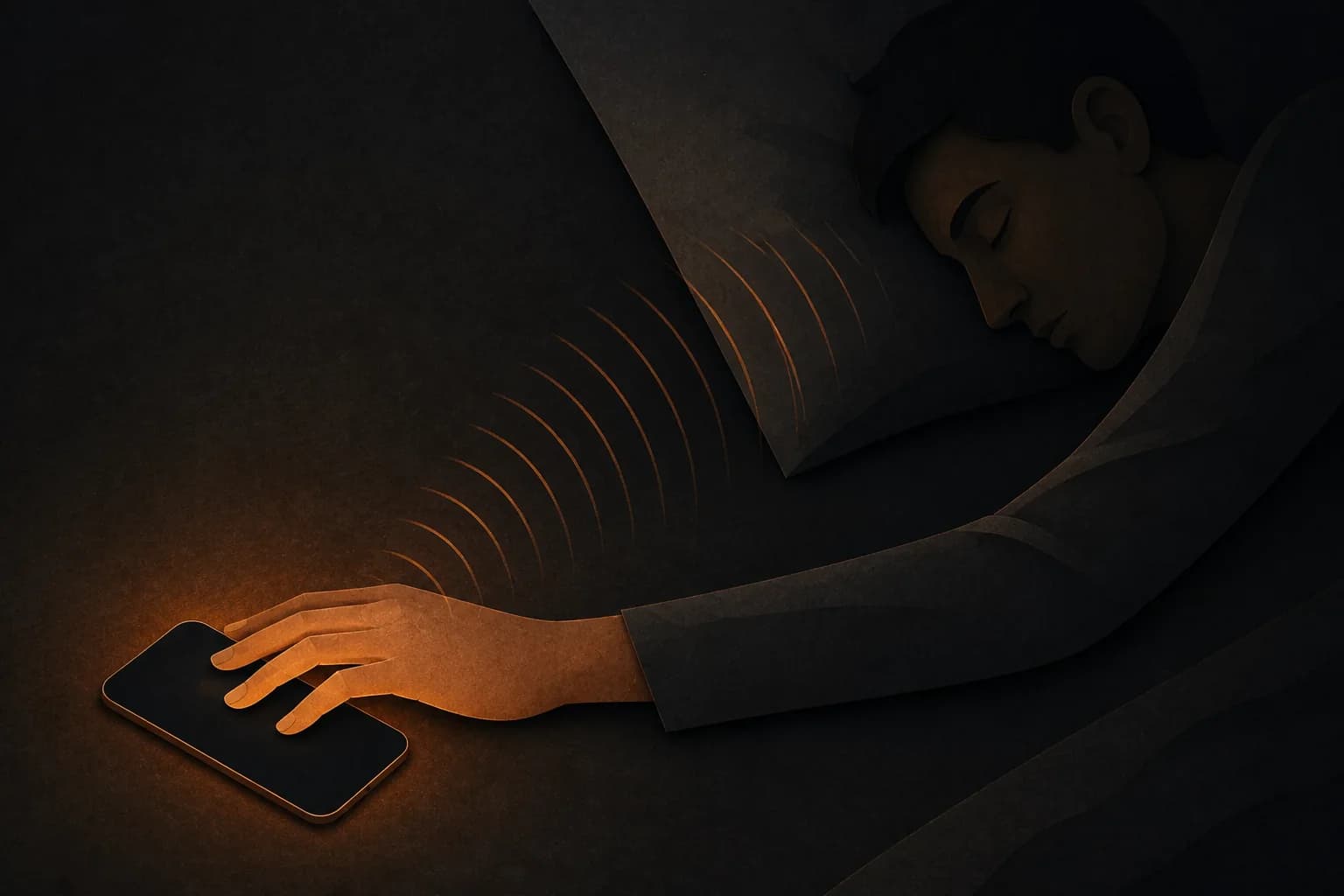
Consciousness first, judgement later
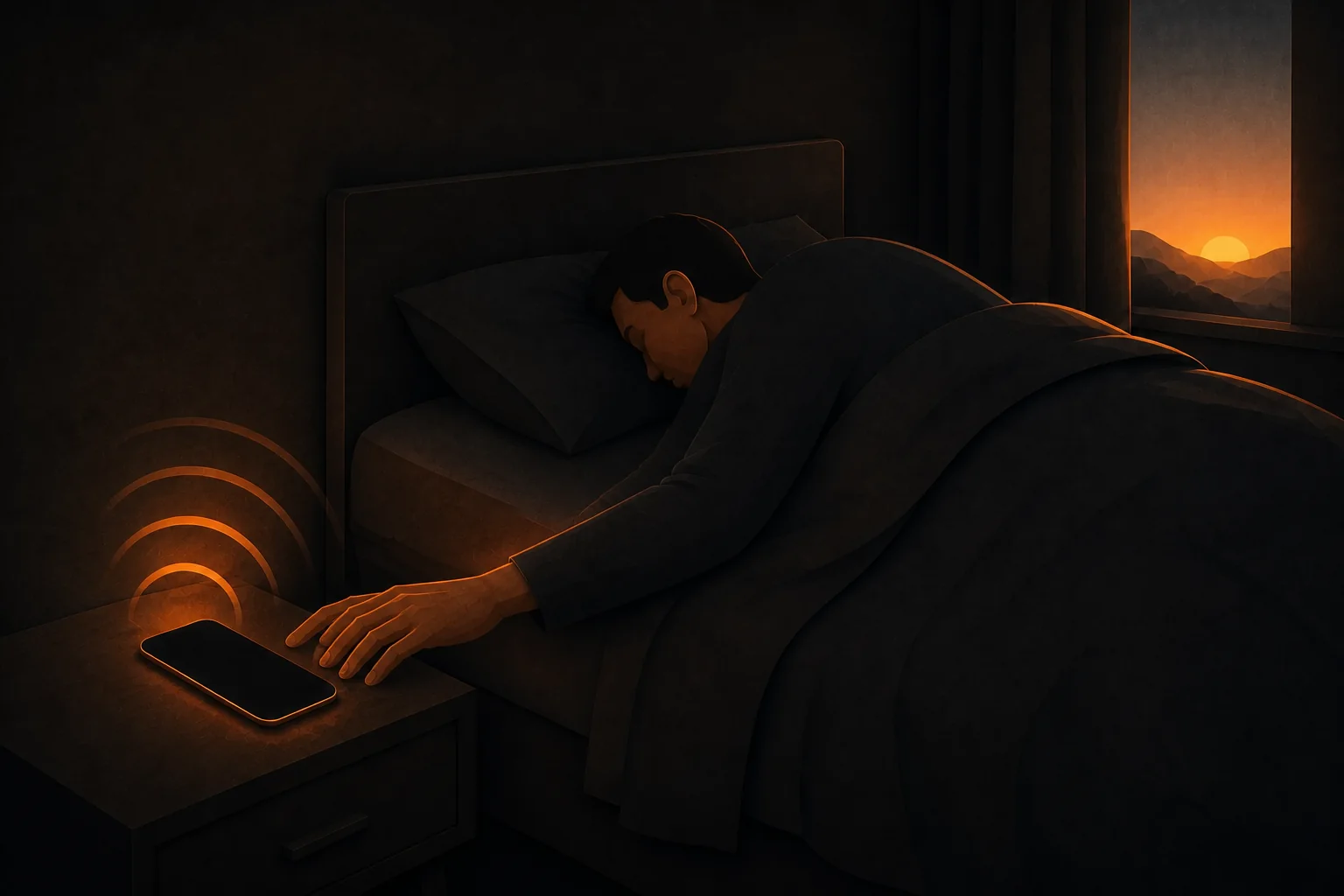
PET imaging of people woken from stage 2 sleep shows blood flow returning fastest to the brainstem and thalamus. Those structures are enough to make you aware of the room. Blood flow to the front of the cortex keeps rising for another fifteen minutes. That is where judgement and self-control sit (Balkin et al., Brain, 2002).
The authors state the lag directly. Consciousness comes back rapidly. Alertness follows twenty to thirty minutes later.
Sleep does not stop cleanly
Thirty-four people were woken from an afternoon nap and scanned five minutes later. Sleep-specific patterns were still present in their brain activity. How strongly depended on how long and how deeply they had slept. In those woken from deep sleep, the networks that separate focused states from idle ones had stopped separating (Vallat et al., NeuroImage, 2019).
Sleep inertia is a distinct state, measurably different from ordinary tiredness. Imaging and EEG both show features of sleep persisting past the moment of waking. The precise mechanism is still unknown (Trotti, Sleep Medicine Reviews, 2017).
Is this a sleep disorder
Almost certainly not. The numbers are worth reading in full.
A survey covered 19,136 US adults. 15.2% had at least one confusional arousal in the previous year. That means waking up disoriented and mentally fogged. 8.6% had complete or partial amnesia of the episode.
The deflating half of the same paper matters more. 84% of those episodes came alongside a sleep disorder, a mental disorder or psychotropic medication. After excluding those, 0.9% of the sample had confusional arousal disorder itself (Ohayon, Mahowald and Leger, Neurology, 2014).
None of that study was about alarms. It measured the state people wake into, not whether they slept through a sound.
If you are tired every day despite enough sleep, see a doctor. Same if you fall asleep without meaning to. That is not an app question.
What stops it
Make the off switch harder than two seconds.
Ember does not end when you silence it. A wake-up check starts, and the alarm keeps coming back until that check is finished. Locking the phone does not end it. Muting it does not end it. Force-quitting the app does not end it.
Go idle in the middle of a check and a countdown starts, then the alarm returns.
The tasks do not make you alert. Nothing does. They are chosen for one property only. They cannot be completed by someone who is still asleep.
References
- Balkin TJ, Braun AR, Wesensten NJ, et al. The process of awakening: a PET study of regional brain activity patterns mediating the re-establishment of alertness and consciousness. Brain, 2002. pubmed.ncbi.nlm.nih.gov/12244087/
- Vallat R, Meunier D, Nicolas A, Ruby P. Hard to wake up? The cerebral correlates of sleep inertia assessed using combined behavioral, EEG and fMRI measures. NeuroImage, 2019. pubmed.ncbi.nlm.nih.gov/30223060/
- Trotti LM. Waking up is the hardest thing I do all day: sleep inertia and sleep drunkenness. Sleep Medicine Reviews, 2017. pubmed.ncbi.nlm.nih.gov/27692973/
- Ohayon MM, Mahowald MW, Leger D. Are confusional arousals pathological? Neurology, 2014. pubmed.ncbi.nlm.nih.gov/25156346/
- Hilditch CJ, McHill AW. Sleep inertia: current insights. Nature and Science of Sleep, 2019. pubmed.ncbi.nlm.nih.gov/31692489/